See it in action
Advanced Technology in Practice
Watch this short film to see how modern dental technology is used in the treatment room to achieve precise, comfortable, and predictable results.
Answers to common questions about appointments, endodontic treatment, and referrals.
Endodontics is the area of dentistry concerned with diagnosing and treating problems affecting the dental pulp — the soft tissue inside the tooth that contains nerves, blood vessels and connective tissue — and the root canal system.
When infection or inflammation develops within a tooth, endodontic treatment removes the affected tissue, disinfects the canal system and seals the tooth to prevent further infection. The aim is always to preserve the natural tooth wherever possible.
No. You can contact Dr Aman Phull directly to book a private consultation without a referral from your dentist. If you are experiencing tooth pain, have been told you may need root canal treatment, or have concerns about tooth wear, you are welcome to get in touch to arrange an appointment.
Many patients are referred by their own dentist, but direct bookings are equally welcome.
Root canal treatment is usually needed when the pulp inside a tooth has become infected or badly inflamed. This can happen as a result of deep decay, a crack or fracture in the tooth, trauma, or repeated dental procedures on the same tooth.
Symptoms may include persistent toothache, sensitivity to heat or cold, pain on biting, swelling, or a discoloured tooth. Sometimes there are no obvious symptoms at all, and the problem is only identified on an X-ray.
Modern root canal treatment is typically no more uncomfortable than having a routine filling. Local anaesthetic is used to ensure the area is completely numb before any treatment begins.
Dr Aman Phull takes a calm, gentle and patient-focused approach, explaining each step clearly and ensuring treatment is always carried out in a relaxed environment. Many patients are surprised by how straightforward the experience is.
Treatment time depends on the tooth involved and the complexity of the case. Some treatments can be completed in a single visit, while others — particularly re-treatments or complex cases — may require two appointments.
During your consultation, Dr Aman Phull will explain the expected treatment plan, the number of visits likely to be required, and the estimated time for each appointment.
Your consultation will begin with a detailed clinical examination of the tooth and surrounding structures, including a review of any existing X-rays or records. Where more detailed imaging is required, a CBCT 3D scan may be taken.
Dr Aman Phull will then discuss his findings clearly with you — including the diagnosis, treatment options, expected outcome, and fees — so that you are fully informed before deciding whether to proceed.
Sometimes a tooth that has previously had root canal treatment may develop a further infection. This can occur if bacteria remain within the canal system, if there was a missed canal during the original treatment, or if new infection enters the tooth over time.
Re-treatment involves carefully removing the existing root filling material, thoroughly re-cleaning and disinfecting the canal system, and resealing the tooth. With microscope magnification and CBCT imaging, many previously treated teeth can be successfully retreated.
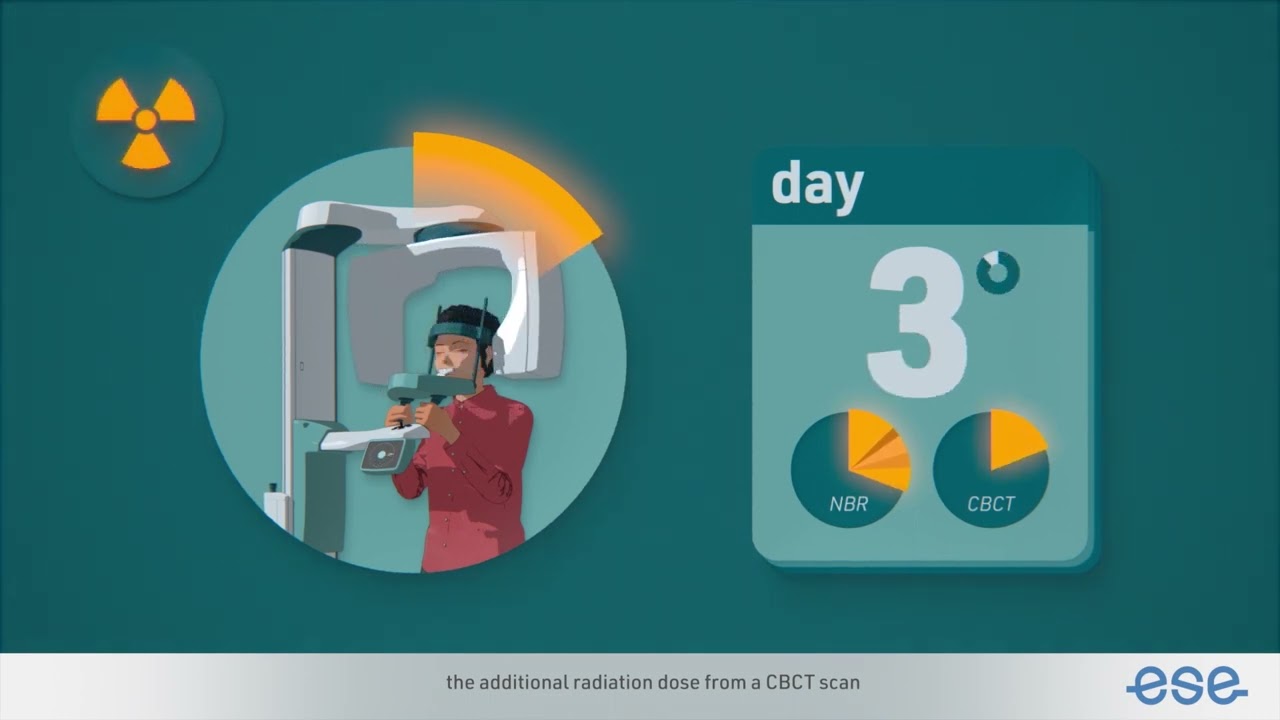
CBCT (Cone Beam Computed Tomography) is an advanced form of 3D dental imaging. Unlike conventional dental X-rays, which show a flat 2D picture, a CBCT scan produces a detailed 3D image of the tooth and the surrounding bone structures.
This allows Dr Aman Phull to identify root canal anatomy, detect infections, assess the extent of any resorption or bone loss, and plan treatment with far greater accuracy. Not every patient will require a CBCT scan, but it is an important diagnostic tool in more complex cases. The fee for a CBCT scan is £90.
A dental operating microscope provides high levels of magnification and illumination inside the tooth during treatment. This allows Dr Aman Phull to visualise the canal system in far greater detail than is possible with the naked eye alone.
The microscope is used throughout endodontic treatment and is particularly valuable in identifying missed or calcified canals, detecting fine cracks, and managing complex anatomy. It is considered the gold standard in modern endodontic practice.
Following root canal treatment, the tooth will usually need to be restored by a dentist to protect and strengthen it. Depending on the tooth and the amount of remaining tooth structure, this may involve a filling, onlay or crown.
If you were referred by your dentist, a full written report will be sent to them so they can arrange the final restoration and continue your ongoing care. If you booked directly, Dr Aman Phull will advise you on the most appropriate next steps.
Tooth wear refers to the gradual loss of tooth structure that is not caused by decay. It can occur as a result of erosion (acidic foods and drinks), attrition (grinding or clenching, often during sleep), or abrasion (over-vigorous brushing or abrasive products).
Dr Aman Phull has a specialist research interest in tooth wear — his MSc dissertation focused specifically on its monitoring. Treatment ranges from dietary and lifestyle advice and careful monitoring through to the full restoration of worn teeth using composite or ceramic materials. For patients who grind their teeth, a protective night splint may also be recommended.
All treatment is private. Current fees are:
Fees may vary depending on the complexity of the case. Restorative treatment costs are discussed at the consultation. Please see the Services page for full details.
Dental anxiety is very common, and many of Dr Aman Phull's patients have told him how nervous they felt before their first appointment. His approach is calm, patient and thorough — he will explain each step clearly and never proceed until you are comfortable and ready.
Root canal treatment in particular has an undeserved reputation for being painful. With modern anaesthesia and techniques, most patients find it entirely manageable. As one patient put it: "I've never felt so at ease."
Yes. Sedation is available for patients who feel anxious or nervous about dental treatment. It can help you feel calm and relaxed throughout your appointment, making the experience much more manageable.
If you would like to discuss sedation, please mention this when you get in touch and we will talk through the most suitable option for you at your consultation.
Yes. We offer 0% interest-free finance over 12 months, allowing you to spread the cost of your treatment without any additional charge. Finance options can be discussed at your consultation once your treatment plan has been agreed.
Patients experiencing dental pain are prioritised wherever possible. Please contact us and describe your symptoms — Dr Aman Phull aims to offer consultations with minimal waiting time so that problems can be assessed and addressed promptly.
Referrals are welcomed for a wide range of endodontic and restorative cases, including:
Both routine and complex cases are welcome.
You can refer using the online referral form on the Referrals page. Please include relevant clinical notes, periapical radiographs and any CBCT scans if already taken. Once the referral is received, the patient will be contacted directly to arrange a consultation.
Yes. Once endodontic treatment is completed, patients are always returned to their referring dentist for restorative work and ongoing dental care. Maintaining your relationship with the patient is a priority.
Yes. Clear communication is central to the referral process. A detailed written report is provided, including findings at consultation, treatment carried out, and recommendations for the final restoration and ongoing monitoring.
Yes. Dr Aman Phull has access to both CBCT 3D imaging and a dental operating microscope. The microscope is used routinely throughout endodontic treatment. CBCT is used selectively where it will add diagnostic value or improve treatment planning — it is not taken as routine for every case.
Yes. As well as accepting dentist referrals, Dr Aman Phull also sees patients who contact him directly without a referral. In all cases, the same standard of care and reporting applies, and patients referred by their dentist are always returned to their referring practice on completion of treatment.
Yes. Patients with acute symptoms or dental pain are prioritised wherever possible. Please indicate the urgency clearly in the referral form and contact us directly if you need to discuss an urgent case.
Watch this short film to see how modern dental technology is used in the treatment room to achieve precise, comfortable, and predictable results.